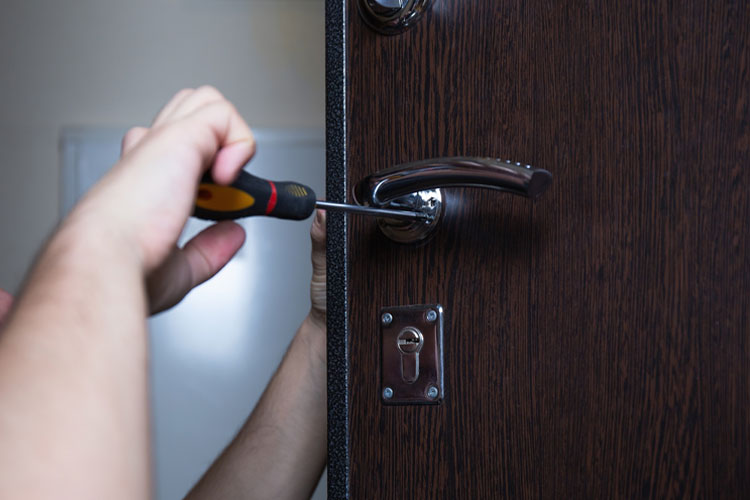
How Does Coastal Salt Air Affect Door Locks in Delray Beach?

How Does Coastal Salt Air Affect Door Locks in Delray Beach?

Coastal salt air can shorten the working life of door locks by leaving salt deposits on exposed hardware. When those deposits absorb moisture, they create conditions that encourage corrosion, damage protective finishes, and make moving parts harder to operate. In Delray Beach, the problem is especially relevant for exterior doors exposed to ocean breezes, wind-driven rain, and persistent humidity. A lock does not need direct contact with seawater to develop trouble.


The practical answer is to keep salt buildup under control, use maintenance products approved for your hardware, and address stiffness before it becomes a lockout. Here is what coastal exposure does—and how to respond without making the problem worse.

How Salt Air Damages Door Locks

Salt and moisture encourage corrosion

Ocean spray produces airborne droplets that can carry salt onto door handles, deadbolts, cylinders, and mounting screws. As the water evaporates, salt remains. Those deposits can attract moisture from humid air, keeping vulnerable surfaces damp and accelerating corrosion.


Different materials react differently. Steel components may develop reddish rust, while some copper-containing alloys can show greenish discoloration. Surface changes do not always mean a lock has failed, but flaking finishes, pitting, or corrosion around moving parts deserve attention. A finish that still looks attractive does not guarantee that hidden components are unaffected.

Deposits and corrosion interfere with movement

Salt residue, grit, and corrosion products can interfere with the small clearances inside a lock. The key may become harder to insert, the cylinder may turn unevenly, or the latch may stop returning smoothly. Continued forcing can damage a key or put additional strain on worn parts.


However, not every sticky lock is corroded. Door movement, loose hinges, and strike-plate misalignment can produce similar symptoms. If you are unsure whether the problem is inside the hardware or in the door itself, a Delray Beach locksmith can help you determine what needs attention.

Warning Signs and Maintenance That Help

Check how the lock works, not just how it looks

Salt-related damage often develops gradually. Compare how your door locks feel from one inspection to the next rather than waiting until a key stops turning.
  • Increasing resistance: The key sticks, turns roughly, or needs repeated attempts.
  • Visible deterioration: Rust, pitting, peeling plating, or crusty residue appears around exposed hardware.
  • Unreliable operation: The latch sticks or the deadbolt fails to extend and retract consistently.
  • Recurring trouble: Stiffness returns soon after appropriate cleaning and lubrication.
A simple check can help separate alignment trouble from a lock problem: operate the deadbolt with the door open, then compare its action with the door closed. If it works smoothly only when open, alignment may be involved. Keep fingers clear of moving parts, and do not force the mechanism. Arrange professional help with a sticking lock if the cause remains unclear.

Clean gently and lubricate selectively

Follow the lock manufacturer’s care instructions first. Finishes, cylinders, and electronic assemblies can have different requirements, so a product suitable for one lock may be inappropriate for another.
  • Remove surface salt: Wipe exterior hardware with a soft cloth lightly dampened with fresh water, if permitted by the manufacturer, then dry it thoroughly.
  • Avoid flooding the mechanism: Do not spray water into the keyway or saturate electronic components.
  • Use approved lubricant: Apply only the recommended lock lubricant and quantity. Avoid household oils or mixing products without guidance.
  • Inspect exposed doors regularly: Pay extra attention after windy, salt-heavy weather and whenever operation changes.
There is no universal maintenance schedule for every Delray Beach property. A sheltered entry may need less attention than a door facing prevailing coastal winds. Regular light cleaning is preferable to scraping away heavy buildup later. Avoid abrasive pads and harsh cleaners that can strip protective coatings.

When to Repair or Replace Coastal Hardware

Cleaning will not reverse metal loss, restore damaged plating, or rebuild worn internal components. A lock that remains stiff, shows substantial pitting, or no longer secures consistently needs assessment. Never assume that a deadbolt has engaged simply because the thumbturn moved; confirm that it extends into the strike without forcing it.


For replacement hardware, look beyond labels such as “weatherproof.” Ask about the manufacturer’s stated suitability for coastal exposure, corrosion-resistant materials, finish care, and warranty exclusions. Stainless steel and brass can offer advantages, but performance depends on the alloy, construction, finish, and exposure. No exterior lock is maintenance-free in a salty environment. Electronic locks also require attention to weather ratings, seals, and battery compartments.


Before purchasing, discuss replacement door lock options that fit your door, security needs, and exposure. Appropriate installation and alignment matter alongside material selection.


For local assistance, contact Delray Beach Locksmith Co. to discuss your lock’s condition and ask about inspection, repair, or replacement. Reliable service starts with identifying the actual cause of the problem and explaining suitable options—not automatically replacing every discolored lock. Addressing early warning signs helps keep coastal wear from becoming an everyday access problem.

Frequently Asked Questions

Can salty coastal air damage a lock without direct ocean spray?

Yes. Airborne salt can settle on exposed hardware and attract moisture, encouraging corrosion even without direct seawater contact. Exposure varies with wind, shelter, and proximity to the coast.

What lubricant should you use on door locks near the beach?

Use the lubricant specified by the lock manufacturer. Some locks require particular dry or synthetic products. Avoid household oils, excess application, or mixing lubricants, which can leave residue or interfere with operation.

Which door lock materials are suitable for coastal homes?

Look for hardware with documented suitability for coastal exposure and corrosion-resistant construction. Certain stainless steel and brass components can be useful, but alloy quality, finish, internal parts, and maintenance all affect performance.

Does a rusty door lock always need replacing?

Not necessarily. Minor surface corrosion may be manageable with manufacturer-approved care. Deep pitting, persistent stiffness, damaged components, or unreliable locking warrant professional assessment and may require replacement.

coastal salt air, delray beach locksmith, door locks, exterior door hardware, lock maintenance, salt corrosion
Previous Post
Grocery Bags and a Locked Door: How a Locksmith Can Help
Next Post
Commercial Locksmith for an Office Rekeying Service

Related Posts

keyboard_arrow_up
Call Now Button